How Pasco Best Rated Solar Energy Company Leads the Market in Pasco
Brighter Days Are Ahead: Why You Should Switch to Solar Energy Today
Solar energy's relevance is steadily increasing in today's world. With increasing energy demands and environmental concerns, many are exploring sustainable solutions. Solar power presents a viable alternative, presenting both ecological benefits and cost savings. As installation costs decline and technology improves, the advantages become clearer. However, potential adopters may still have persisting questions about the process and implications. Understanding these factors can reveal whether solar energy is the right choice for them.
Comprehending Solar Energy Fundamentals
Solar energy, a powerful renewable resource, harnesses sunlight to generate electricity and heat. Photovoltaic cells, generally incorporated in solar panels, serve as the primary means to capture this energy and convert light into electricity. This conversion happens as photons from the sun energize electrons within the cells, generating an electrical current. Additionally, solar thermal systems use sunlight to heat fluids, which can then be employed for residential heating or to generate steam for electricity production.
Solar power systems can be mounted on roof structures or in extensive solar farms, offering flexibility for both residential and commercial applications. With declining costs and advancements in technology, solar energy has become increasingly accessible to a broader audience. Incentives, such as tax credits and rebates, further encourage adoption. As a dependable and sustainable energy source, solar power plays an essential role in reducing dependency on fossil fuels and fostering energy independence.
The Environmental Impact of Solar Power
Whereas several energy sources contribute to environmental degradation, solar power distinguishes itself for its potential to greatly reduce carbon emissions and other pollutants. By capturing sunlight, solar energy provides a clean alternative to fossil fuels, which are key contributors to air and water pollution. The use of solar panels produces electricity without emitting harmful emissions, significantly lowering the carbon footprint of energy consumption.
Moreover, solar power systems require very little water for operation, as opposed to traditional power plants that consume substantial water resources for cooling. This lowering in water use helps alleviate burden on local water reserves, particularly in water-scarce regions.
In addition, as solar tech evolves, the environmental footprint of manufacturing and discarding solar panels continues to get better. The recycling of solar components is growing more streamlined, further reducing environmental concerns. In summary, the adoption of solar energy signifies an essential stride toward a sustainable and eco-friendly future.
The Financial Benefits of Switching to Solar Energy
Transitioning to solar energy delivers significant financial advantages for both homeowners and businesses. Not only can property owners expect significant long-term savings on energy payments, but there are also various tax incentives now available that can minimize the initial investment. This combination of savings and incentives makes solar energy an continually more attractive option for those looking to decrease their overall energy expenditures.
Long-Term Cost Savings Potential
Putting money into solar energy provides substantial long-term savings potential that can substantially impact business finances and household budgets. By producing their own electricity, homeowners and businesses can significantly reduce or even eradicate their monthly utility bills. Over time, these savings build up, creating a return on investment that often surpasses initial installation costs. Moreover, solar energy systems typically require limited maintenance, further boosting their cost-effectiveness. With energy prices expected to rise, securing a stable energy source through solar can provide financial security and predictability. Additionally, as technology progresses, the efficiency and lifespan of solar panels continue to increase, guaranteeing that the long-term rewards of solar energy remain compelling for both commercial and residential users.
Today's Available Tax Incentives
What tax incentive benefits are available to homeowners and businesses adopting solar energy? The federal government currently offers the Investment Tax Credit (ITC), which lets individuals deduct 26% of the solar system investment from their federal taxes. This incentive is applicable to both residential and commercial installations, dramatically cutting the initial investment. In addition, many states provide their own tax credits, rebates, and grants, further increasing financial benefits. Some local governments also establish property tax exemptions, making certain that the increased property value from solar installations does not lead to higher taxes. These incentives collectively create solar energy more financially attractive, permitting homeowners and businesses to recover their costs more quickly while supporting a sustainable future.
Solar Incentives You Must Know
How might homeowners optimize their financial benefits while moving to solar energy? Understanding the different solar incentives is vital. Federal programs, like the Investment Tax Credit (ITC), enable homeowners to deduct a substantial percentage of their solar system installation costs read this article from their federal taxes. Additionally, many states offer regional incentives, including rebates and tax credits, which can substantially reduce initial costs.
Some utility firms provide performance-based incentives, compensating homeowners for the energy produced by their solar installations. Moreover, net metering allows homeowners to get credits for excess electricity generated, further offsetting expenses.
Funding choices, including solar loans and leases, can also enhance affordability. Programs developed for low-income households, such as the Solar for All initiative, work to make solar accessible to a broader audience. By utilizing these incentives, homeowners can greatly enhance their financial returns when switching to solar energy.
Assessing Residential Solar Energy System Types: On-Grid, Off-Grid, and Hybrid
When examining residential solar systems, homeowners can choose between grid-tied, off-grid, and hybrid solutions. Grid-tied systems deliver seamless integration with existing power grids, facilitating energy savings and potential income through net metering. Conversely, off-grid systems deliver independence from utility companies but include unique considerations pertaining to energy storage and reliability.
Advantages of Grid-Tied Systems
Though many home residents examine multiple solar energy solutions, grid-tied systems stand out for their numerous advantages. These systems interface immediately with the local electricity grid, letting homeowners to use both solar power and traditional electricity seamlessly. One major benefit is the potential for net metering, where excess energy generated can be transferred to the grid, cutting electricity bills. Moreover, grid-tied systems require less storage capacity, removing the need for costly batteries. This leads to lower upfront installation costs and simplified maintenance. Additionally, they provide consistent electricity during non-sunny periods, ensuring continuous power supply. Overall, the efficiency and cost-effectiveness of grid-tied systems make them an compelling choice for many homeowners wanting to move to solar energy.
Off-Grid System Requirements
Although off-grid systems deliver a self-reliant energy solution, they involve unique considerations that homeowners need to evaluate. To begin with, the initial investment tends to be higher due to the requirement of batteries and additional equipment. Homeowners need to also assess their energy consumption patterns, as off-grid systems require careful management to guarantee the availability of power during periods of low sunlight. In addition, maintenance responsibilities grow, with regular checks on battery health and system performance. Off-grid systems may also demand space for solar panels and batteries, which can be a limiting factor for some properties. In conclusion, homeowners should evaluate their extended energy needs and potential future expansions to confirm the system remains sufficient over time.
Frequent Misbeliefs Related to Solar Energy
What misconceptions cloud the understanding of solar energy? Many individuals believe that solar panels are not effective in cloudy or rainy climates, but innovations in technology have enabled panels to capture energy even in unfavorable conditions. Another frequent myth is that solar energy is excessively costly; however, prices have substantially decreased over the years, making it more accessible for homeowners. Some people have concerns that solar panels require extensive maintenance, yet they are generally minimal-maintenance and often come with warranties extending 20 years or more. Additionally, there is a belief that solar energy can only be harnessed in large-scale installations, when in fact, residential arrangements can be equally productive. Last but not least, concerns about the service life of solar panels often arise, but most systems are designed to last 25 years or greater, offering sustainable energy solutions for decades. Tackling these misconceptions is vital for a deeper understanding of solar energy's potential.
Installing Solar Panels: A Step-by-Step Guide
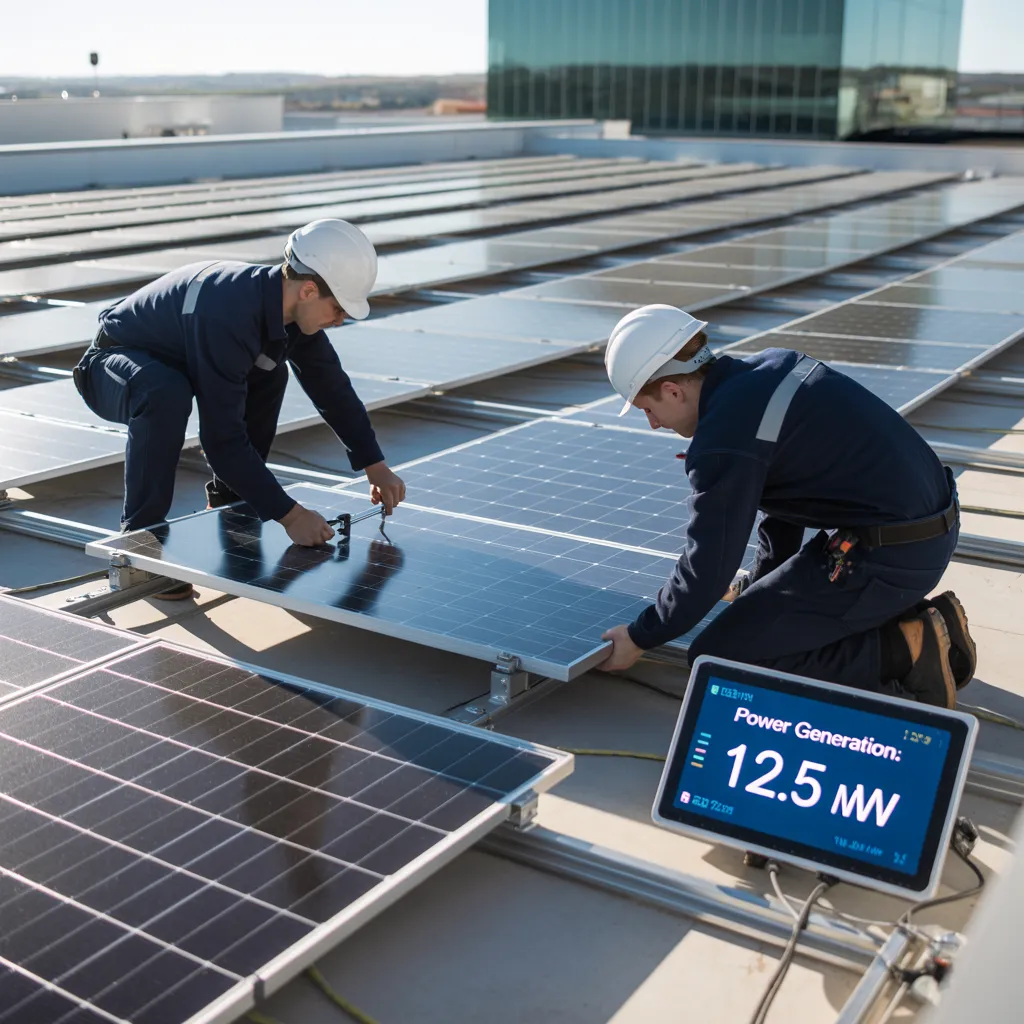
Understanding the realities of solar energy sets the groundwork for those contemplating its adoption. To install solar panels, one must first evaluate the roof's suitability. This includes assessing the roof's dimensions, angle, and sun exposure throughout the day. Next, obtaining essential permits and verifying local regulations is essential to ensure compliance.
When approvals have been secured, the installation process starts with mounting the solar panels onto the roof using brackets. Subsequently, the panels are connected to an inverter, which changes solar energy into usable electricity.
The next step involves wiring the system to the home's electrical panel, ensuring proper connection and safety. Once installation is complete, the system's functionality must be tested to verify proper operation. Finally, homeowners should think about establishing a monitoring system to monitor energy output. This organized process simplifies the shift to solar energy, enabling a sustainable power source.
Questions & Answers
Will Solar Panels Work in Cloudy or Rainy Weather?
Solar panels continue to generate electricity in cloudy or rainy weather, albeit with lower efficiency. They utilize diffused sunlight for operation, functioning at reduced capacity relative to sunny weather.
How Long Do Solar Panels Last Before Needing Replacement?
Solar panels usually last between 25 and 30 years before requiring replacement. Their longevity is affected by numerous factors, including installation quality, upkeep, and local environmental conditions, which can influence overall performance and longevity.
Can Solar Panels Boost My Property Value?
Yes, solar panels can increase property value. Studies indicate homes with solar installations often sell for more than comparable homes without them, attracting buyers because of reduced energy costs and environmental advantages connected to renewable energy.
Can I Do Solar Panel Installation Myself?
Yes, individuals can install solar panels themselves, provided they possess the necessary skills and knowledge. However, complete awareness of municipal regulations, safety guidelines, and likely technical issues is necessary for a proper installation.
What Takes Place if I Sell My Home That Has Solar Panels?
When a homeowner sells their property with solar panels, the panels generally enhance property value. Purchasers commonly welcome the energy savings, but if leased, responsibilities might transfer, affecting the sale. Proper disclosure is essential in such transactions.